Explore Filters by vehicle brand

What Filters components do

Every filter on a vehicle exists to keep abrasive or corrosive contamination out of a system with fine clearances. The oil filter protects bearings, cam journals and turbocharger shafts from soot and wear metal. The air filter protects bores, rings and the turbocharger compressor from airborne dust. Both are consumables with a defined service life, and both fail progressively rather than suddenly.

Two specification points matter more than any other. First, format: spin-on canister filters and cartridge elements are not interchangeable, and a vehicle designed for one cannot take the other. For spin-on filters, thread size and gasket outside diameter determine fitment; for cartridges, it is element dimensions and the O-ring set. Second, operating environment: published service intervals assume moderate conditions. On unsealed roads, in high-dust regions, or on vehicles doing short urban journeys where the oil never reaches full temperature, both air and oil filters need changing considerably more often than the handbook suggests. Fleet buyers operating in dusty conditions should plan stock levels against actual duty cycle rather than the manufacturer's interval.

Air Filter

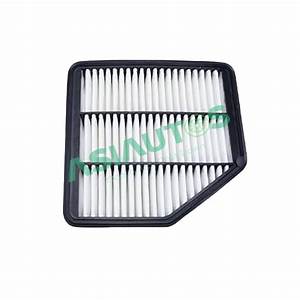
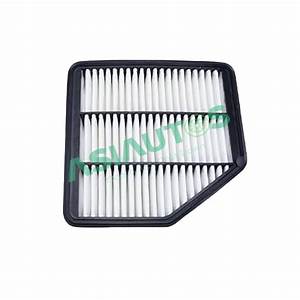
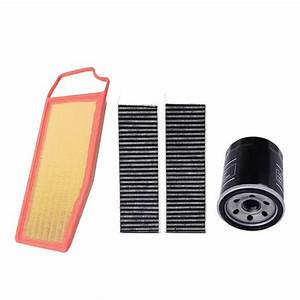
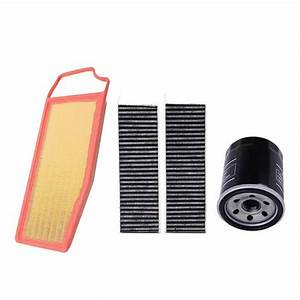
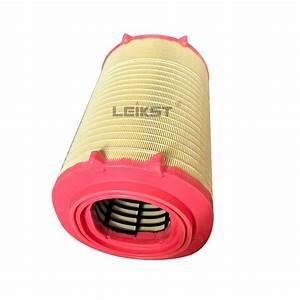
The engine air filter sits in the airbox upstream of the mass-airflow sensor, throttle body and (on turbocharged engines) the compressor wheel. It is normally a pleated panel or a cylindrical element sealed into the housing by its own rubber frame.

  • Noticeably duller throttle response and a rise in fuel consumption.
  • A dirty or oil-fouled mass-airflow sensor, which throws fuel-trim fault codes.
  • Visible dust streaks on the clean side of the element or in the intake duct — that means the seal or the media has failed and the engine has been ingesting unfiltered air.

Panel filters are specified by length, width and height; cylindrical elements by inside diameter, outside diameter and height. Give the engine variant as well: naturally aspirated and turbocharged versions of the same model frequently use different airboxes.

Oil Filter

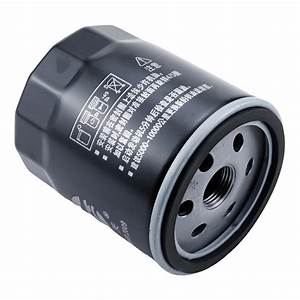
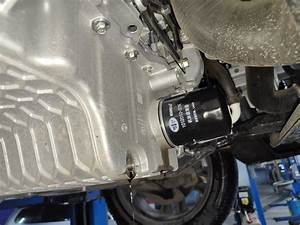
The oil filter traps combustion soot, wear metal and carbon before the oil reaches the bearings, cam journals and turbocharger. Two formats dominate: the spin-on canister, which contains its own media and sealing gasket, and the cartridge element, which drops into a fixed housing and is supplied with new O-rings.

  • A rattle or top-end tick for a second or two after a cold start, pointing to a failed anti-drainback valve.
  • Low oil pressure warning at idle when hot.
  • Oil weeping from the filter seal — often caused by the old gasket sticking to the block and the new filter being fitted over it.

State whether the engine takes a spin-on or a cartridge filter. For spin-on, the thread size and gasket outside diameter are what determine fitment; for cartridge, the element inside diameter, outside diameter and height. Give the engine displacement and, where you have it, the engine code.

Checks to make before you order

A few minutes of inspection prevents most wrong-part returns in this category.

  • Hold a panel air filter up to a light source: if very little light passes through the pleats, it is done regardless of how many kilometres it has covered.
  • Look at the clean side of the air filter and inside the intake duct. Dust there means the element or its seal has failed and unfiltered air has been reaching the engine.
  • Cut open a used oil filter if you are diagnosing an engine problem — metallic glitter trapped in the pleats is direct evidence of internal wear.
  • When fitting a spin-on filter, check that the old gasket came off with the old filter. Two gaskets stacked on the block will blow out and dump the engine's oil.

Identifying the right part by OEM number

An OEM number is the vehicle manufacturer's own part number for a component. It is normally printed, stamped or moulded onto the original part, or onto a label attached to it. Aftermarket manufacturers publish cross-references linking their own catalogue numbers to those OEM numbers, and that cross-reference is what makes an order verifiable rather than an educated guess.

Cross-referencing matters because a single model line rarely uses a single part. Over a production run a manufacturer will change suppliers, revise a design mid-life, fit larger brakes to a heavier or higher-output variant, and build market-specific versions with different lighting, sensors and emissions equipment. Two vehicles that look identical in a showroom photograph can therefore take different parts. The model name narrows the search; the OEM number closes it.

Frequently asked questions about Filters parts

How often should filters actually be changed?

The oil filter should be changed at every oil service without exception. Air filter intervals depend heavily on environment: in dusty operating conditions or on unsealed roads, inspection every service and replacement at roughly half the published interval is realistic. The handbook figure assumes moderate conditions.

Can an air filter be cleaned instead of replaced?

Standard paper elements should not be. Compressed air blown through the media opens pinholes that let abrasive dust straight into the intake, which is worse than a dirty filter. Only filters explicitly designed to be cleaned and re-oiled should be serviced that way.

What is the difference between a spin-on and a cartridge oil filter?

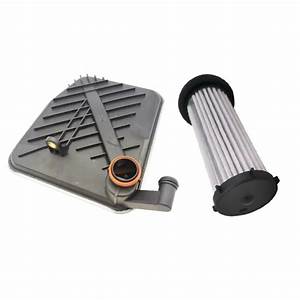
A spin-on filter is a sealed steel canister containing its own media and gasket, and it screws directly onto the engine. A cartridge is a bare paper element that drops into a permanent housing on the engine and is supplied with new O-rings. A vehicle takes one or the other; they are not interchangeable.

Does a cheap filter really matter?

It matters most in the details you cannot see: the bypass valve opening pressure, the anti-drainback valve material, the media area and the quality of the end-cap seal. A filter with a hardened anti-drainback valve lets the galleries drain overnight, so the engine runs briefly unlubricated at every cold start.

What do you need to quote filters?

VIN, model year, and engine displacement or code. For a spin-on oil filter, the thread size and gasket diameter; for a cartridge, the element dimensions. For air filters, the panel or element dimensions measured from the old part.

Request Quote