Explore Clutch & Transmission by vehicle brand
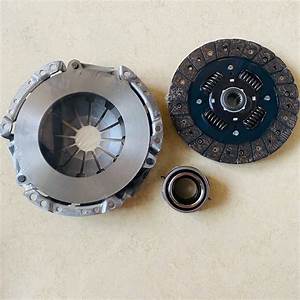
FAW Hongqi H5 Clutch Kit
FAW Hongqi H5
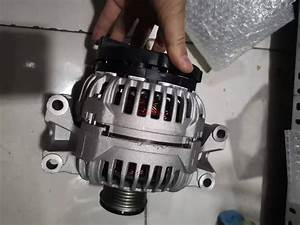
FAW Hongqi H5 Alternator
FAW Hongqi H5

FAW Bestune T99 Clutch Kit
FAW Bestune T99

FAW Bestune T99 Alternator
FAW Bestune T99

FAW Bestune T77 Clutch Kit
FAW Bestune T77
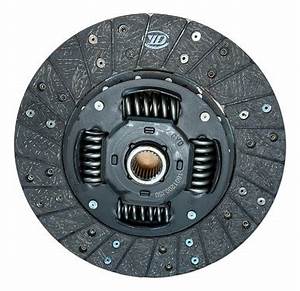
Dongfeng Aeolus Clutch Kit
Dongfeng Aeolus
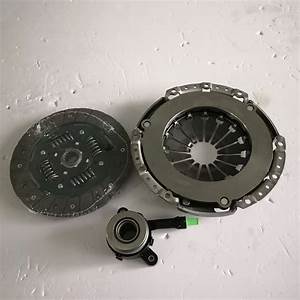
Dongfeng E70 Clutch Kit
Dongfeng E70
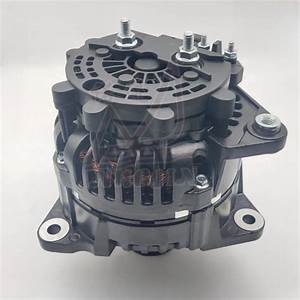
Dongfeng E70 Alternator
Dongfeng E70
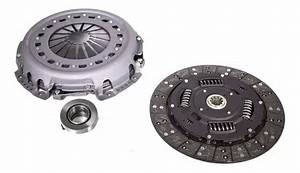
Dongfeng Rich 6 Clutch Kit
Dongfeng Rich 6
Dongfeng Rich 6 Headlight
Dongfeng Rich 6
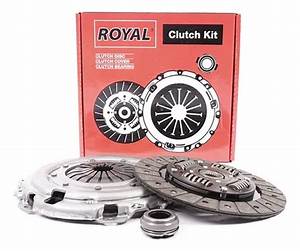
Dongfeng AX7 Clutch Kit
Dongfeng AX7
Dongfeng AX7 Headlight
Dongfeng AX7
What Clutch & Transmission components do
The clutch connects and disconnects engine torque from the gearbox input shaft. A conventional manual clutch does this with a friction disc squeezed between the flywheel and a spring-loaded pressure plate, released by a bearing acting on the diaphragm fingers. Because the whole assembly lives inside the bellhousing, replacing any one component means removing the gearbox — which is why the disc, cover and release bearing are supplied and fitted together as a kit.
The first question on any clutch enquiry is what transmission the vehicle actually has. Many models in this catalogue are sold with a manual gearbox in one market and a dual-clutch, CVT or torque-converter automatic in another, and a manual clutch kit has no application on the automatic versions. Once that is settled, the specification turns on disc diameter, spline count and spline profile, gearbox code, and two design questions: single-mass or dual-mass flywheel, and whether the release bearing is a conventional bearing on a fork or a concentric slave cylinder mounted around the input shaft. A dual-mass flywheel is a wearing component containing springs and damping grease; if it is worn, fitting a new clutch against it simply transfers the judder and the rattle to the new parts.
Clutch Kit
A clutch kit for a manual gearbox normally contains the friction (driven) disc, the pressure plate or cover assembly, and the release bearing, and may include a concentric slave cylinder and an alignment tool. Where the vehicle uses a dual-mass flywheel, that flywheel is a wearing part in its own right and is usually inspected and replaced at the same time.
The friction lining wears with every take-off and is destroyed quickly by riding the pedal, towing beyond rating, or hill starts held on the clutch. Diaphragm fingers lose tension, release bearings dry out, and the springs and arc-damping grease inside a dual-mass flywheel degrade until the unit rattles and allows excessive angular play.
- Slip: engine revs rise but road speed does not follow, most obvious in a high gear under load.
- Judder or shudder as the clutch takes up from rest.
- A pedal that has become heavy, or one that has lost its bite point near the floor.
- Difficulty selecting first or reverse from rest — often release-system rather than disc wear.
Give the friction disc diameter, spline count and profile, the gearbox code, whether the vehicle has a single-mass or dual-mass flywheel, and whether the release bearing is a conventional bearing on a fork or a concentric slave cylinder inside the bellhousing. Note that variants of the same model sold with a dual-clutch, CVT or torque-converter automatic transmission do not take a manual clutch kit at all.
Checks to make before you order
A few minutes of inspection prevents most wrong-part returns in this category.
- Test for slip in a high gear at low speed: accelerate hard and watch whether engine speed rises faster than road speed.
- Listen at idle in neutral with the pedal up, then press the pedal. A rattle that stops when the pedal goes down is the classic worn dual-mass flywheel signature.
- Check the hydraulic release circuit for leaks and air before condemning the clutch — a failing master or slave cylinder produces the same "will not select gears" complaint.
- Inspect the flywheel friction face for heat cracks and blueing whenever the gearbox is out. It is the only opportunity you will get without a second labour bill.
Identifying the right part by OEM number
An OEM number is the vehicle manufacturer's own part number for a component. It is normally printed, stamped or moulded onto the original part, or onto a label attached to it. Aftermarket manufacturers publish cross-references linking their own catalogue numbers to those OEM numbers, and that cross-reference is what makes an order verifiable rather than an educated guess.
Cross-referencing matters because a single model line rarely uses a single part. Over a production run a manufacturer will change suppliers, revise a design mid-life, fit larger brakes to a heavier or higher-output variant, and build market-specific versions with different lighting, sensors and emissions equipment. Two vehicles that look identical in a showroom photograph can therefore take different parts. The model name narrows the search; the OEM number closes it.
Clutch & Transmission parts by vehicle
Jump straight to the clutch & transmission listings for a specific vehicle. Each model page also carries the sourcing notes for that vehicle.
Other part categories
Every category page covers what the components do, how they fail and what has to be specified when ordering.
Frequently asked questions about Clutch & Transmission parts
Does my vehicle take a clutch kit at all?
Only if it has a manual gearbox. Vehicles with a dual-clutch, CVT or conventional automatic transmission do not use a driver-operated clutch of this type. Confirm the transmission before ordering — this is the most common mismatch in the category.
Should the dual-mass flywheel be replaced with the clutch?
It should at least be measured for free play and inspected for heat damage while the gearbox is out. If it is outside tolerance, replace it: fitting a new clutch to a worn dual-mass flywheel will leave the judder and rattle in place, and repeating the job means paying the labour twice.
What is a concentric slave cylinder?
It is a hydraulic release bearing mounted concentrically around the gearbox input shaft inside the bellhousing, replacing the external cylinder and release fork. Because it can only be reached with the gearbox out, it is always replaced with the clutch. Confirm which release arrangement your vehicle uses before ordering.
My clutch judders on take-off. Is the disc worn out?
Judder is more often contamination or distortion than wear — oil on the friction face from a leaking crankshaft or gearbox input seal, a heat-distorted pressure plate, or a worn dual-mass flywheel. If a seal is leaking, replace it during the clutch job or the new disc will be contaminated too.
What do you need to quote clutch parts?
VIN, model year, engine variant, and above all the transmission type and gearbox code. Add the disc diameter and spline count if you can measure the old part, and state whether the flywheel is single- or dual-mass.