Explore Body Parts by vehicle brand
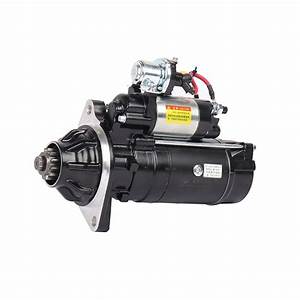
FAW Hongqi H5 Starter Motor
FAW Hongqi H5
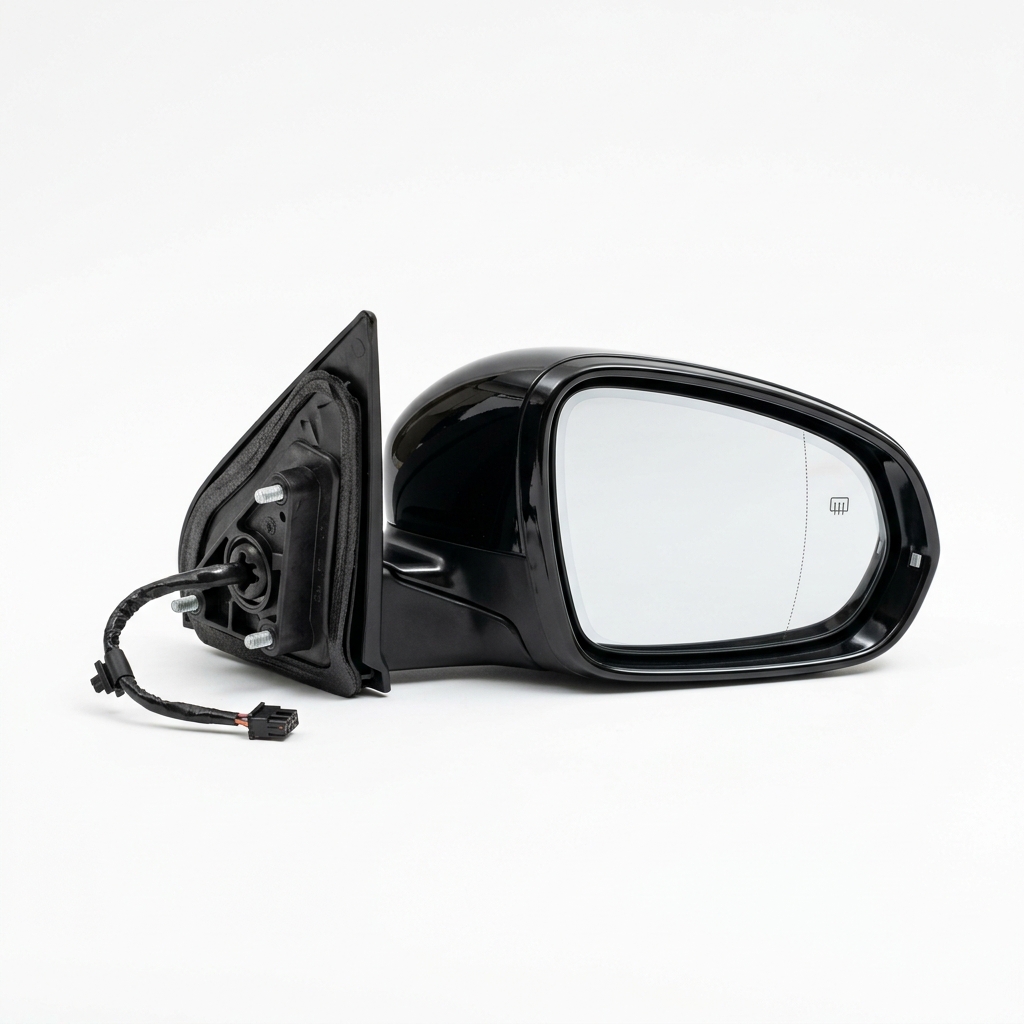
FAW Hongqi H5 Side Mirror
FAW Hongqi H5
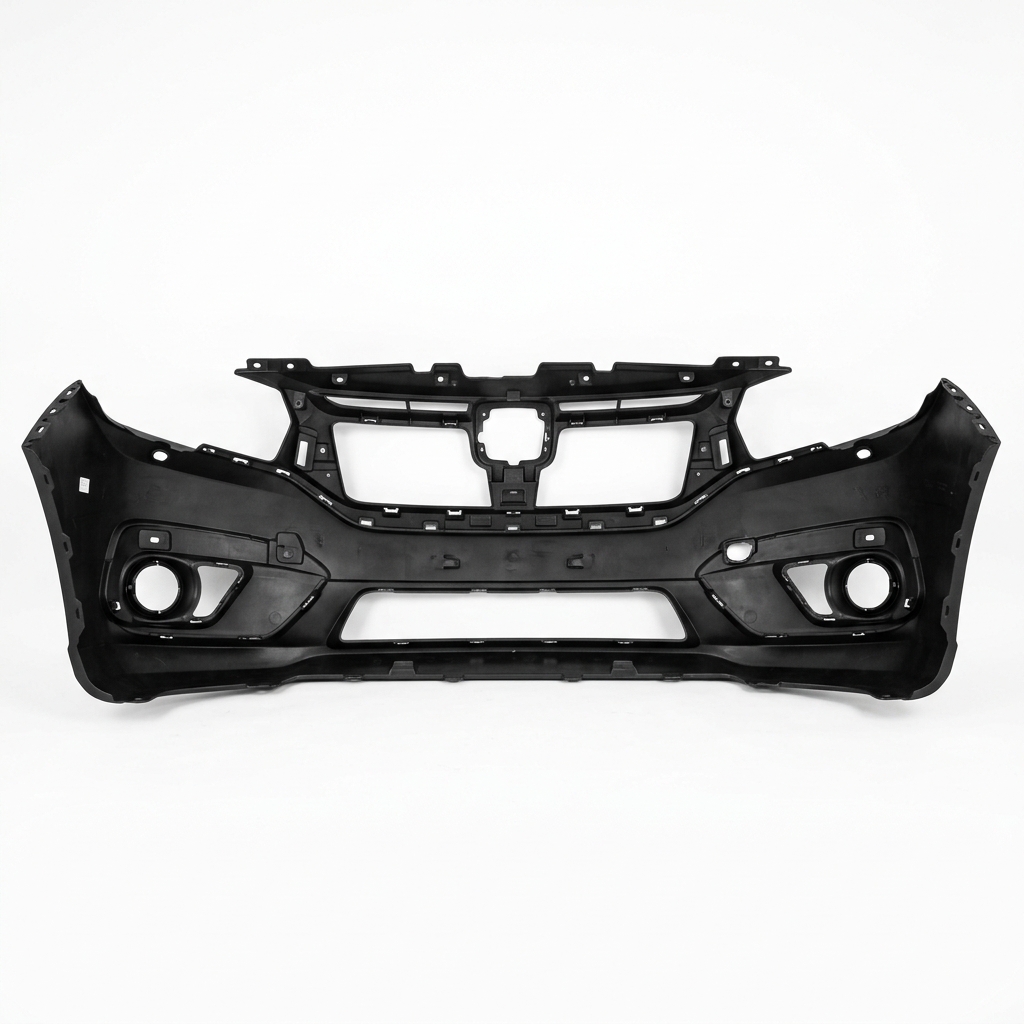
FAW Hongqi H5 Front Bumper
FAW Hongqi H5
FAW Bestune T99 Side Mirror
FAW Bestune T99
FAW Bestune T99 Front Bumper
FAW Bestune T99
FAW Bestune T77 Side Mirror
FAW Bestune T77
FAW Bestune T77 Front Bumper
FAW Bestune T77
Dongfeng Aeolus Side Mirror
Dongfeng Aeolus
Dongfeng Aeolus Front Bumper
Dongfeng Aeolus
Dongfeng E70 Side Mirror
Dongfeng E70
Dongfeng E70 Front Bumper
Dongfeng E70
Dongfeng Rich 6 Side Mirror
Dongfeng Rich 6
What Body Parts components do
Exterior body parts do more than cover the structure. A front bumper cover carries the mounting geometry for parking sensors, radar and cameras; a door mirror can house a blind-spot sensor and a camera as well as heating, folding and indicator functions. Getting the wrong variant means either a part that does not physically mount or a driver-assistance system that no longer reads correctly.
Three things decide a body part number. The first is the facelift boundary: manufacturers restyle a model part way through its life, and the covers, grilles and lamps either side of that change are not interchangeable even though the model name did not change. The second is sensor content — the number and position of parking sensor holes, whether there is an aperture for a radar unit, and the fog lamp style. The third is finish: covers are normally supplied primed or in raw black, so the colour code has to be matched by a body shop, and a mirror cap may be painted or textured depending on trim. Because none of this can be inferred from a model name, body parts should always be ordered against a VIN.
Front Bumper
What buyers usually call a front bumper is the moulded plastic cover. Behind it sit a reinforcement beam and an energy-absorbing foam or honeycomb block, which are separate parts. The cover carries the apertures and mounting bosses for fog lamps, parking sensors, radar and camera brackets, washer jets, tow-eye cover and grille clips.
- Broken mounting tabs, so the cover sits proud of the wing or drops at one corner.
- Parking sensors reporting faults after an impact because a sensor holder has been displaced.
- A radar-equipped vehicle throwing adaptive-cruise faults after a bumper strike — the radar bracket geometry has moved and the unit needs recalibration.
This is the single hardest body part to specify from a model name alone. Send the VIN, the trim level, the number and position of parking sensor holes, the fog-lamp aperture shape, and whether the vehicle has adaptive cruise radar. Pre-facelift and facelift covers on the same model rarely interchange. Covers are normally supplied primed or in raw black, so painting to the vehicle colour code is a body-shop operation.
Side Mirror
A door mirror assembly can be anything from a manually adjusted housing and glass to a unit containing electric adjustment motors, a heating element, an indicator repeater, power folding, a puddle lamp, a blind-spot radar or camera, and a memory position sender.
- The mirror will not hold position, or moves in one axis only — an adjuster motor.
- A grinding noise when the power fold operates, or a mirror that no longer folds flush.
- The heated element demisting only part of the glass.
Specify the side, whether the vehicle is left- or right-hand drive, and the connector pin count — pin count is the most reliable single indicator of feature content, because each added function (heating, folding, indicator, blind spot, memory) adds pins. Also state whether you need the complete assembly, the housing cap only, or the glass only, and whether the cap is painted or primed.
Checks to make before you order
A few minutes of inspection prevents most wrong-part returns in this category.
- Photograph the part on the vehicle from straight on and from a shallow angle, so that apertures and contours are both visible.
- Count the parking sensors and note their spacing; count the connector pins on a mirror.
- Look for the manufacturer's moulded part number on the reverse of a plastic cover — it is usually there, near the top edge or a mounting tab.
- Check whether the vehicle carries a radar unit behind the grille or lower valance, because a radar-equipped bumper is a different cover and the radar needs recalibrating after any disturbance.
Identifying the right part by OEM number
An OEM number is the vehicle manufacturer's own part number for a component. It is normally printed, stamped or moulded onto the original part, or onto a label attached to it. Aftermarket manufacturers publish cross-references linking their own catalogue numbers to those OEM numbers, and that cross-reference is what makes an order verifiable rather than an educated guess.
Cross-referencing matters because a single model line rarely uses a single part. Over a production run a manufacturer will change suppliers, revise a design mid-life, fit larger brakes to a heavier or higher-output variant, and build market-specific versions with different lighting, sensors and emissions equipment. Two vehicles that look identical in a showroom photograph can therefore take different parts. The model name narrows the search; the OEM number closes it.
Body Parts parts by vehicle
Jump straight to the body parts listings for a specific vehicle. Each model page also carries the sourcing notes for that vehicle.
Other part categories
Every category page covers what the components do, how they fail and what has to be specified when ordering.
Frequently asked questions about Body Parts parts
Will a bumper from the same model but a different year fit?
Frequently not. Mid-life facelifts change the cover, the grille and the lamp apertures. If the vehicles are on opposite sides of a facelift, the parts will not interchange. Send the VIN and we will confirm which version applies to your car.
Do bumpers come painted?
They are normally supplied primed or in raw black plastic. Painting to the vehicle's colour code, including blending into the adjacent panels, is a body-shop operation. Treat paint as a separate cost line when you are pricing a repair.
My car has parking sensors — does that change the part?
Yes. The sensor bores are moulded into the cover, so a cover for a vehicle without sensors has no holes and a cover with the wrong sensor count or spacing cannot be used. Count the sensors on the existing bumper and tell us the number and layout.
How do I identify which door mirror I need?
Count the pins on the electrical connector and list the functions the mirror performs: adjustment, heating, folding, indicator repeater, puddle lamp, blind-spot indication, memory. Each function adds pins, so the pin count narrows it down quickly. Also state the side and whether the vehicle is left- or right-hand drive.
What do you need to quote body parts?
The VIN is essential here — more so than in any other category. Add the trim level, clear photographs of the part in place, the sensor count, and the colour code if you intend to have the part painted.