Explore Engine Parts by vehicle brand

What Engine Parts components do

A spark-ignition engine needs the right mass of air, the right quantity of fuel at the right pressure, and a spark of adequate energy at the right moment. The parts in this category sit in the fuel and ignition halves of that equation. When one of them degrades, the engine management system compensates until it runs out of adjustment range, which is why a failing component often produces no symptom at all until it produces a very obvious one.

Chinese manufacturers have moved rapidly to downsized turbocharged direct-injection engines over the past decade, and this changes what you order. A direct-injection engine has both a low-pressure in-tank pump and a camshaft-driven high-pressure pump; asking for "the fuel pump" is ambiguous until you know which. Direct injection also runs higher cylinder pressures, so spark plug heat range and gap tolerance matter more than they did on older port-injected engines, and plugs are usually a shorter-interval service item as a result. Always identify the engine, not just the vehicle: the engine code is stamped on the block and is recorded against the VIN.

Fuel Pump

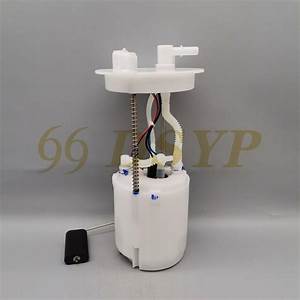
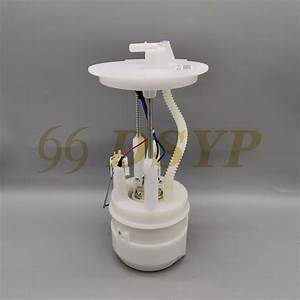
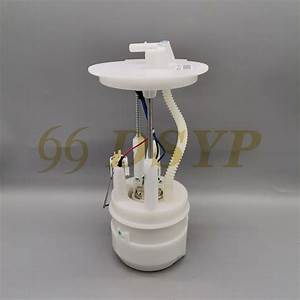
On almost all current vehicles the fuel pump is an electric unit inside the tank, supplied as a module that also carries the level sender, a strainer, and on returnless systems the pressure regulator. Direct-injection engines add a second, camshaft-driven high-pressure pump on the cylinder head that raises rail pressure to the level the injectors need.

  • Extended cranking before the engine catches, especially after the car has stood overnight.
  • A hot-restart problem: the engine starts fine cold but refuses immediately after a short stop.
  • Hesitation, misfire or a flat spot under load — going uphill or overtaking — while idle is normal.

Tell us whether you need the complete module with sender and housing or just the pump insert, and give the electrical connector type and the system pressure specification. Confirm whether the engine is port-injected or direct-injected — the low-pressure and high-pressure pumps are entirely different parts.

Spark Plug

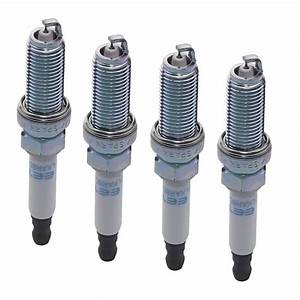
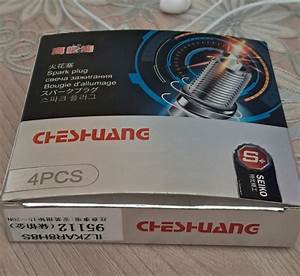
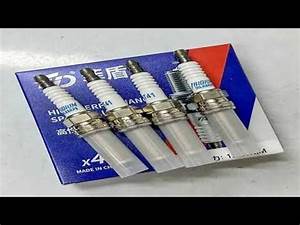
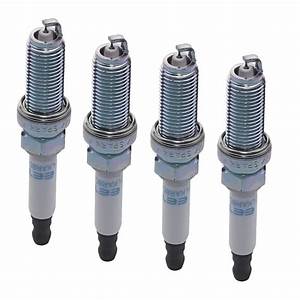
The spark plug delivers the ignition spark into the combustion chamber. Tip material determines service life — copper electrodes wear fastest, platinum lasts considerably longer, and iridium longer still because the fine-wire centre electrode resists erosion. Heat range, thread reach and seat type are fitment-critical: a plug that is physically the right thread but the wrong reach will either fail to reach the chamber or protrude into the piston's path.

  • A misfire under acceleration while idle is acceptable — high cylinder pressure is where a worn gap fails first.
  • Rough idle, hesitation on tip-in, and a check-engine light with cylinder-specific misfire codes.
  • Hard starting, particularly when cold or damp.

Specify the thread diameter and reach, the seat type (gasket or taper), the hex size, the electrode gap and the tip material, together with the engine code. Replace plugs as a complete set and torque them to specification — over-tightening a taper-seat plug distorts the electrode and cracks the insulator. Battery-electric vehicles have no spark plugs at all; if you are sourcing for an electrified variant, confirm the powertrain before ordering.

Checks to make before you order

A few minutes of inspection prevents most wrong-part returns in this category.

  • Read the fault codes before replacing anything — cylinder-specific misfire codes point at plugs, coils or injectors on that cylinder, while fuel-trim codes point upstream at air or fuel delivery.
  • Compare a plug from each cylinder side by side: colour and erosion differences tell you more than the state of any single plug.
  • Measure fuel rail pressure under load, not at idle. A tired pump usually holds pressure at idle and collapses under demand.
  • Check that a "fuel pump" symptom is not a blocked filter, a failed relay, corroded connector pins or a wiring fault, all of which are cheaper to fix.

Identifying the right part by OEM number

An OEM number is the vehicle manufacturer's own part number for a component. It is normally printed, stamped or moulded onto the original part, or onto a label attached to it. Aftermarket manufacturers publish cross-references linking their own catalogue numbers to those OEM numbers, and that cross-reference is what makes an order verifiable rather than an educated guess.

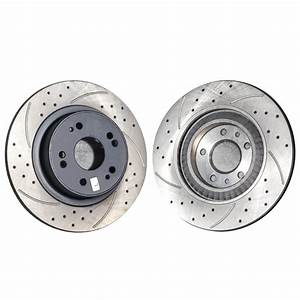
Cross-referencing matters because a single model line rarely uses a single part. Over a production run a manufacturer will change suppliers, revise a design mid-life, fit larger brakes to a heavier or higher-output variant, and build market-specific versions with different lighting, sensors and emissions equipment. Two vehicles that look identical in a showroom photograph can therefore take different parts. The model name narrows the search; the OEM number closes it.

Frequently asked questions about Engine Parts parts

How do I find my engine code?

It is stamped into the cylinder block, usually on a machined pad near the gearbox joint, and is normally shown on the vehicle identification plate as well. Any franchised dealer can decode it from the VIN. It is the single most useful piece of information you can give a parts supplier for engine components.

Can I fit iridium plugs in place of copper ones?

Only if the plug is specified for that engine. Tip material is not the only difference between plugs — heat range, reach, seat type and gap all have to match what the engine was designed for. Fitting a plug with the wrong heat range causes either fouling or pre-ignition, and pre-ignition damages pistons quickly.

My car cranks but will not start. Is it the fuel pump?

It might be, but check the cheap causes first: fuel pump relay, fuse, connector corrosion at the tank flange, and whether the pump primes audibly when the ignition is switched on. Then measure rail pressure. Replacing a pump on suspicion is an expensive way to diagnose a relay.

Do I need the whole fuel pump module or just the pump?

It depends on what is available for the vehicle and what has failed. The module includes the level sender, strainer and housing; if the sender is also faulty or the housing is cracked, the complete module is the sensible order. Tell us which you want quoted and we will confirm what is available for your engine.

What should I send you to be quoted engine parts?

VIN, model year, engine code or at minimum displacement and whether it is turbocharged, and the transmission type. For an ignition or fuel part, a photograph of the old component including any printed part number removes almost all remaining doubt.

Request Quote